Everybody maintains their private opinion involving The Impact of Hard Water on Your Plumbing.
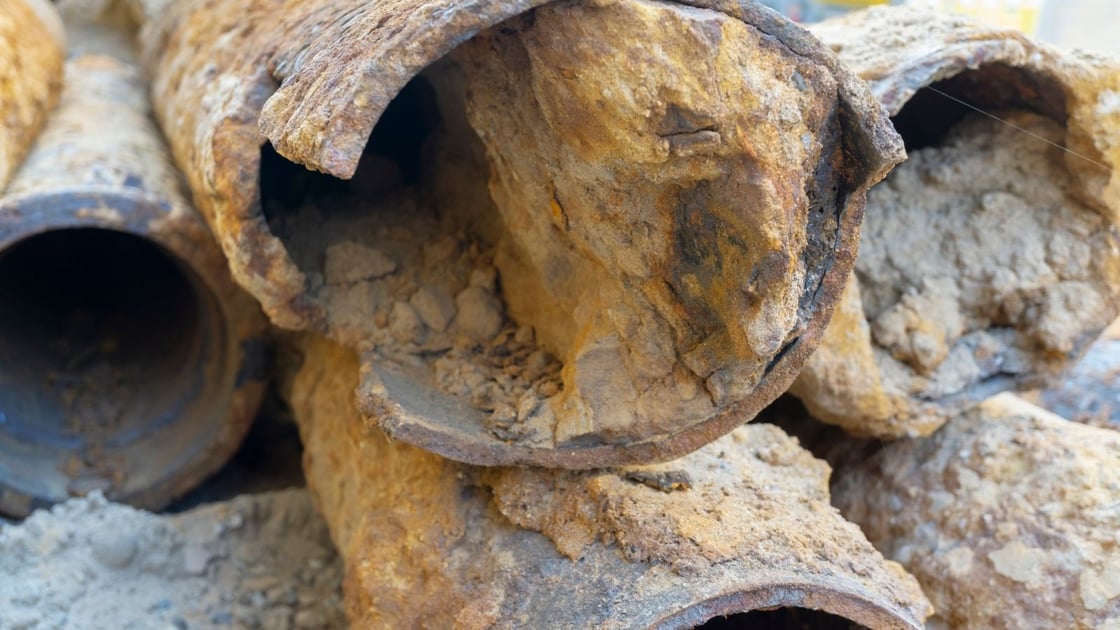
Tough water, an usual concern in several families, can have substantial effect on pipes systems. Comprehending these results is vital for maintaining the long life and effectiveness of your pipes and fixtures.
Introduction
Difficult water is water which contains high degrees of dissolved minerals, mainly calcium and magnesium. These minerals are safe to human health yet can ruin plumbing framework in time. Let's look into how difficult water impacts pipes and what you can do about it.
What is Hard Water?
Hard water is defined by its mineral material, especially calcium and magnesium ions. These minerals go into the water system as it percolates with sedimentary rock and chalk down payments underground. When difficult water is heated up or delegated stand, it tends to form range, a crusty build-up that sticks to surface areas and can create a range of concerns in plumbing systems.
Effect on Pipeline
Tough water impacts pipelines in several damaging means, mainly through scale buildup, minimized water circulation, and boosted deterioration.
Range Buildup
Among the most typical issues triggered by tough water is scale accumulation inside pipelines and fixtures. As water moves with the pipes system, minerals speed up out and stick to the pipeline walls. Over time, this accumulation can narrow pipeline openings, causing lowered water flow and boosted pressure on the system.
Minimized Water Flow
Mineral deposits from hard water can slowly lower the size of pipelines, restricting water flow to taps, showers, and home appliances. This minimized circulation not just influences water pressure yet also enhances power usage as appliances like hot water heater have to function harder to provide the same quantity of warm water.
Rust
While tough water minerals themselves do not create deterioration, they can intensify existing corrosion problems in pipes. Range accumulation can trap water versus steel surfaces, accelerating the deterioration procedure and potentially leading to leakages or pipeline failure in time.
Appliance Damage
Past pipelines, hard water can likewise damage household home appliances connected to the water supply. Home appliances such as water heaters, dishwashers, and cleaning makers are especially prone to scale accumulation. This can reduce their effectiveness, boost upkeep prices, and shorten their lifespan.
Expenses of Difficult Water
The economic ramifications of hard water prolong past plumbing repairs to consist of raised power expenses and early device replacement.
Repair Costs
Taking care of hard water-related concerns can be costly, especially if range buildup causes pipeline or appliance failure. Regular maintenance and early discovery of troubles can help reduce these costs.
Energy Performance
Range accumulation minimizes the efficiency of hot water heater and various other devices, bring about greater power intake. By resolving tough water concerns without delay, property owners can improve energy efficiency and decrease energy bills.
Checking and Therapy
Evaluating for tough water and executing ideal therapy measures is vital to reducing its impacts on pipelines and home appliances.
Water Softeners
Water conditioners are the most common option for dealing with hard water. They work by exchanging calcium and magnesium ions with sodium or potassium ions, properly minimizing the hardness of the water.
Various Other Treatment Choices
In addition to water conditioners, other therapy alternatives consist of magnetic water conditioners, reverse osmosis systems, and chemical ingredients. Each method has its advantages and suitability depending on the intensity of the hard water issue and household needs.
Safety nets
Protecting against tough water damages needs a combination of aggressive upkeep and thoughtful component selection.
Routine Maintenance
Consistently purging the plumbing system and checking for range accumulation can aid stop pricey repair services down the line. Periodic checks of devices for signs of scale buildup are also necessary.
Selecting the Right Fixtures
Opting for pipes components and devices made to stand up to difficult water problems can reduce its impacts. Search for items with corrosion-resistant products and easy-clean functions to minimize maintenance demands.
Conclusion
To conclude, the impacts of tough water on pipes and devices are considerable yet convenient with appropriate recognition and safety nets. By understanding just how hard water impacts your plumbing system and taking proactive steps to alleviate its results, you can expand the life of your pipes, boost power effectiveness, and reduce maintenance expenses in the future.
The Impact of Hard Water on Your Plumbing System and Solutions
Understanding Hard Water. Hard water contains high levels of minerals, particularly calcium and magnesium, which are naturally present in the water supply. When hard water flows through your plumbing system, these minerals can accumulate over time, causing various issues. This mineral buildup, known as scale, can clog pipes, reduce water flow, and impair the efficiency of plumbing fixtures and appliances. Recognizing the Signs of Hard Water. To determine if you have hard water, there are several signs to look out for. These include soap scum residue on surfaces, stained fixtures, reduced water flow, and increased energy bills. If you notice these signs in your Dallas home, it is likely that you are dealing with hard water issues. The Impact of Hard Water on Plumbing Fixtures and Appliances. Hard water can have detrimental effects on plumbing fixtures and appliances. The accumulation of mineral deposits can lead to reduced lifespan, decreased efficiency, clogged pipes, and increased maintenance and repair costs. Over time, these issues can result in costly repairs and replacements if not addressed promptly. Solutions for Hard Water Issues. There are effective solutions available to combat the impact of hard water on your plumbing system in Dallas. Consider the following options: Water Softeners: Water softeners are devices that remove the minerals responsible for hardness from the water. By installing a water softener, such as the ones provided by Metro-Flow Plumbing, you can enjoy the benefits of softened water throughout your Dallas home. Water softeners work by utilizing a process called ion exchange to replace the calcium and magnesium ions with sodium or potassium ions, effectively reducing the hardness of the water. Softened water not only helps prevent scale buildup but also leaves your skin and hair feeling smoother, prolongs the lifespan of your plumbing fixtures and appliances, and reduces the need for excessive cleaning. Descaling Agents: Descaling agents are products specifically designed to dissolve and remove mineral deposits from plumbing fixtures and appliances. These agents can be effective in addressing existing scale buildup and preventing further accumulation. When using descaling agents, it’s important to follow the instructions provided and take necessary precautions to ensure safety. Metro-Flow Plumbing can recommend appropriate descaling agents suitable for your Dallas home’s plumbing system and guide you on their proper usage. Filtration Systems: Installing water filtration systems can help reduce the level of minerals in your water supply, improving water quality and protecting your plumbing system. In addition to reducing the hardness of the water, filtration systems can remove other impurities, such as chlorine and sediment, providing you with cleaner and healthier water for drinking, cooking, and bathing. Metro-Flow Plumbing offers a range of filtration system options, including whole-house filtration systems and point-of-use filters, allowing you to choose the most suitable option for your Dallas home.
Hopefully you enjoyed our topic on Understanding Hard Water: Its Effects on Plumbing. Thank you so much for finding the time to browse our piece. In case you enjoyed our page if you please consider to pass it around. Thank-you for taking the time to read it.
Schedule Estimate